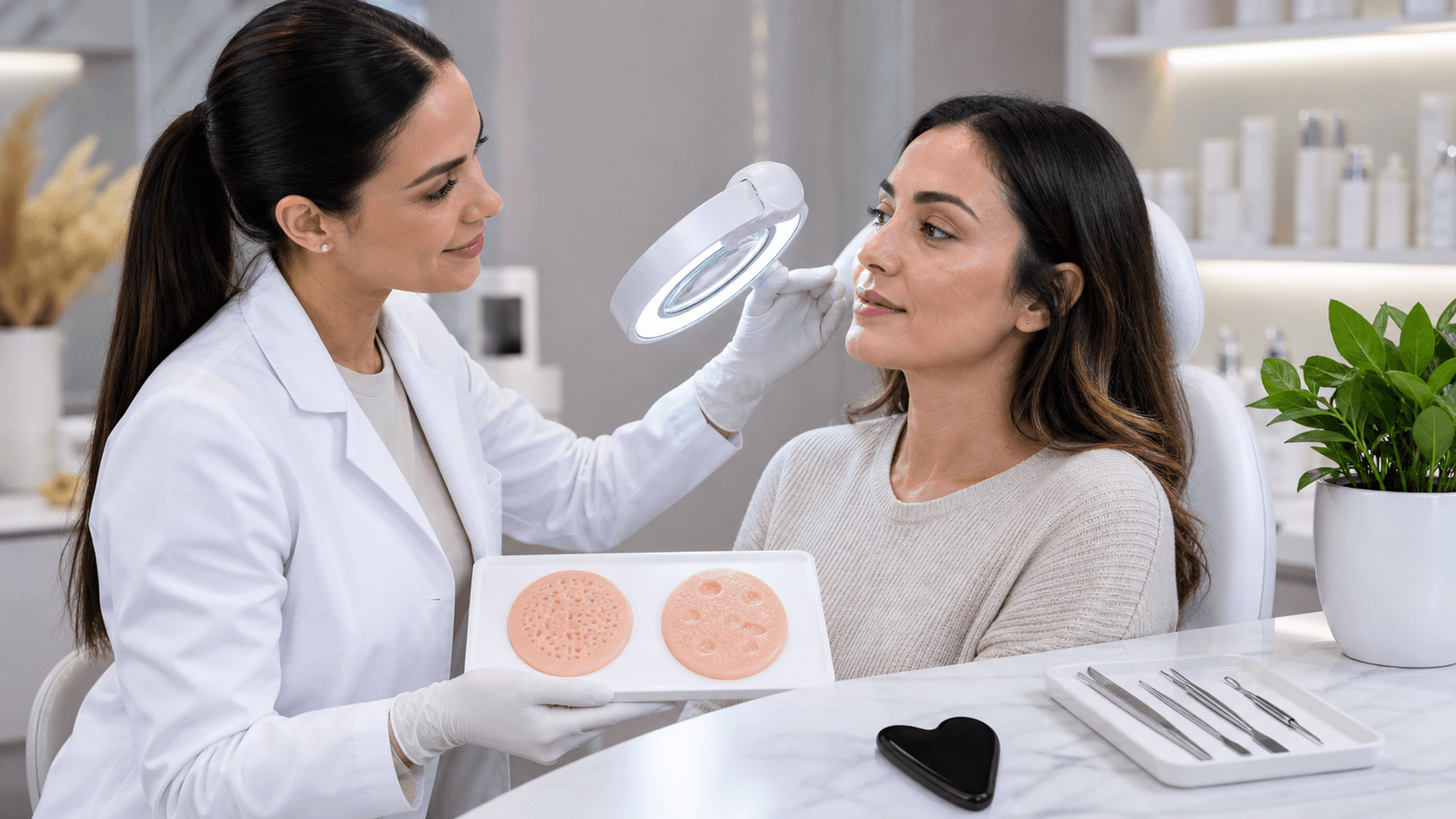
If you have been using scar removal products for old scars without much luck, you are definitely not the only one. It is frustrating to stick to a routine and see little change, especially when the scar has been there for years. Scar tissue does not behave the same way once it has settled and matured, and products that work well on a fresh injury often will not show the same results on older marks.
That is because older scars need a different kind of care. They have gone through cycles of healing, layering, and thickening. As we move into warmer months, it is a good time to check whether your current routine is really made for the type of scar and season you are working with. Here is why your scar removal products for old scars may not be delivering results and what you can do differently starting now.
Old scars behave differently than new ones
Once a scar has been sitting on the skin for months or years, the structure underneath changes. Scar tissue tends to get denser, thicker, and less flexible over time. That buildup of tough collagen is what makes older scars stubborn.
- As scars age, they often lose elasticity. The surrounding skin may feel tighter or firmer to the touch.
- Deep collagen bundles can form, making the scar harder to break down with surface-only treatments.
- Lighter, gentle formulas that help new scars fade may not be strong or targeted enough for older ones.
If you are treating an old scar with something mild or not designed to reach deeper scar layers, the results are likely to be slow or subtle. Mature scars usually take more time, more patience, and more targeted ingredients.
The product you are using does not match the scar type
Not all scars respond the same way to the same product. If your scar is raised, discolored, or thick in spots, it likely needs a product that matches its type.
- Raised or keloid scars often need softening and flattening ingredients like silicones or certain anti-inflammatories.
- Flat but discolored scars, like old acne spots or stretch marks, may respond better to products with brightening or cell-renewing ingredients.
- Some scar removal creams are only made for new injuries and may not be helpful once the scar has matured.
Look for products that clearly state support for existing or older scars. Always read the label and understand what scar types a product is intended for before adding it to your routine.
You may not be using the product the right way
Even the best ingredients may not get the chance to work if you are not applying them properly. Scar care is not just about remembering once a day. It is about how and when you apply it.
- Using too little product or skipping days can slow results. Old scars need consistent, routine application.
- Putting product on dry or dirty skin stops it from soaking in the way it should.
- Massaging the product gently into the scar for a few seconds helps improve absorption. Adding a soft pressure tool like a Gua Sha massage stone can help stimulate circulation and move the product deeper into the skin layers.
Motivo Scar Care recommends using their scar cream or serum twice daily on clean, dry skin for best results. Their cream contains a blend of silicone, vitamin C, and aloe for hydration and is suitable both morning and night.
Routine and technique matter. A few small changes here can make a big difference over time.
Sun exposure and daily friction are slowing your progress
Spring and summer usually come with more sun, sweat, and skin exposure. But UV rays and skin stress are not friendly to scars, especially older ones.
- Direct sun can darken scars and reverse the fading you may have worked hard to see.
- Scarred skin is more sensitive. Constant rubbing from clothes, straps, or movement can leave scars irritated and inflamed.
- Covering areas that get a lot of motion (like thighs, chest, or arms) with gentle support can reduce that daily strain.
That is where protective options come in. For areas like the forearms, shins, and chest, using something like gentle, skin-tone matched scar tape helps keep tension off the scar and shields it from strict clothing friction or UV exposure. It does not fix the scar, but it helps prevent further setbacks from everyday wear and weather.
Motivo Scar Care’s scar tape is designed for comfort and durability, providing low-irritation, breathable coverage suitable for daily use, all year round.
You are missing layered support from multi-product care
Older scars often need more than one product to see progress. Instead of relying on a single cream or serum, try combining products that do different jobs.
- A cream can hydrate and support fading over time while softening the surface layers.
- Scar tape works as a secure, flexible compress and helps reduce daily stress on the skin.
- For scars that feel tight or are raised, a quick-drying serum can slip in a thin layer of moisture and soothing relief throughout the day.
Each product plays a small role in the process. Layering them in the right order, starting from hydration and ending in physical protection, often helps speed things up or lets the scar respond in better ways.
What to Try Instead for Real Results
Old scars do not always respond the way we want, and that can be discouraging. Getting real results usually does not come down to one product. Progress comes from the combination of how, what, and when you are using it. Scar removal products for old scars tend to work best when the scar type, skin condition, and product use are all aligned.
This time of year brings heat, sweat, sun, and more movement, which often makes scar care trickier. It is also a chance to rework your approach. Switching up how consistently you apply your product, protecting scars from daily friction, and combining the right tools can all help nudge things in the right direction. While it might take time, a more thoughtful routine might be all it takes to finally see your scars start to shift.
Stubborn marks can be challenging, especially when older scars need a different approach than fresh injuries. At Motivo Scar Care, we suggest focusing your skincare routine on targeted solutions designed for resilient areas. Silicone-based tape, combined with trusted creams or serums, can make a noticeable difference by reducing pressure and improving coverage. See our recommended scar removal products for old scars and let us know if you have any questions about finding the right support for your skin.