The way scar care products interact with your skin can shape how well your scar feels and looks over time. When products are not matched to your skin type, they can bring more discomfort than relief. You might notice things feel off, even if you are trying your best to stay consistent.
Fall brings drier air, cooler temps, and fewer hours of direct sun. It is usually the time your skin starts asking for a little more attention, especially if you are healing. Getting in sync with your skin type can help you avoid problems and ease into a routine that feels better every day. Here is how to tell when something is not quite right and what you can do without starting over from scratch.
Signs Your Skin is Reacting to the Wrong Product
If you have been faithfully using something on your scar and things still feel uncomfortable, your skin might be giving you signs that it needs a change. Some common reactions include:
- Itching, burning, or redness that lasts more than a few minutes
- Tight, dry areas forming around the scar after product use
- Skin flaking off or feeling rough to the touch
- Scars looking more raised or stretched than before
In many cases, it is not that the product is bad, it just might not be a good match for how your skin behaves. Some formulas are more rich or thick, which can feel greasy or heavy on oily skin. Others can be too light if your skin tends to be dry or aging.
If more than one of these issues sticks around after a few uses, it is a good idea to pause for a bit and reassess. Giving your skin a short break before switching is better than continuing with something that clearly does not feel right.
Common Skin Types and What They Need
Not every scar care routine works the same for every skin type. Tuning into your skin's natural behavior, whether it is sensitive, oily, or dry, can make the healing process more comfortable.
- Sensitive skin often reacts to extra fragrance or complex ingredient lists. Look for gentle, no-scent options that do not overwhelm the area.
- Oily or acne-prone skin may not respond well to rich creams that sit on top of the skin. Thinner, fast-absorbing options can prevent clogged pores.
- Dry or aging skin often needs a little help holding on to moisture. Hydrating ingredients like shea butter and aloe vera work best when paired with soft, lasting coverage.
Matching scar care products to your skin type supports your healing by creating a balanced environment. Our Scar Cream blends in easily with most routines and is gentle enough for sensitive users without leaving a tacky finish.
Mistakes People Make When Choosing Scar Care Products
With so many products available, it is easy to get caught up in what looks good online or what worked for someone else. But a few common habits can slow down recovery if you are not paying attention to fit and function.
- Starting with trendy items without reading the ingredient label
- Using products missing silicone or hydration support
- Forgetting how scar location affects your skin's daily movements
- Choosing the wrong tape for the wrong zone (like using 20-piece tape on the lower stomach when 4-piece coverage is better for areas that bend or twist)
How your skin holds or stretches in different places really does matter. For example, scar tape on your back or forearm behaves differently than tape on your hip or abdomen. Products built for static areas may not hold up well when you are bending, running, or reaching all day.
How to Switch Products Without Disrupting Healing
If you suspect a product is not helping or making things feel irritated, taking a slow and calm approach to switching is key. Start by asking yourself what is bothering you the most.
- Are you noticing flakes or tightness where there was not any before?
- Does the scar feel like it is pulling or drying out too fast?
Once you have pinpointed the trouble, add only one new product at a time. Give it at least a full week to see how your skin responds. That small window can tell you a lot about hydration, comfort, and skin changes.
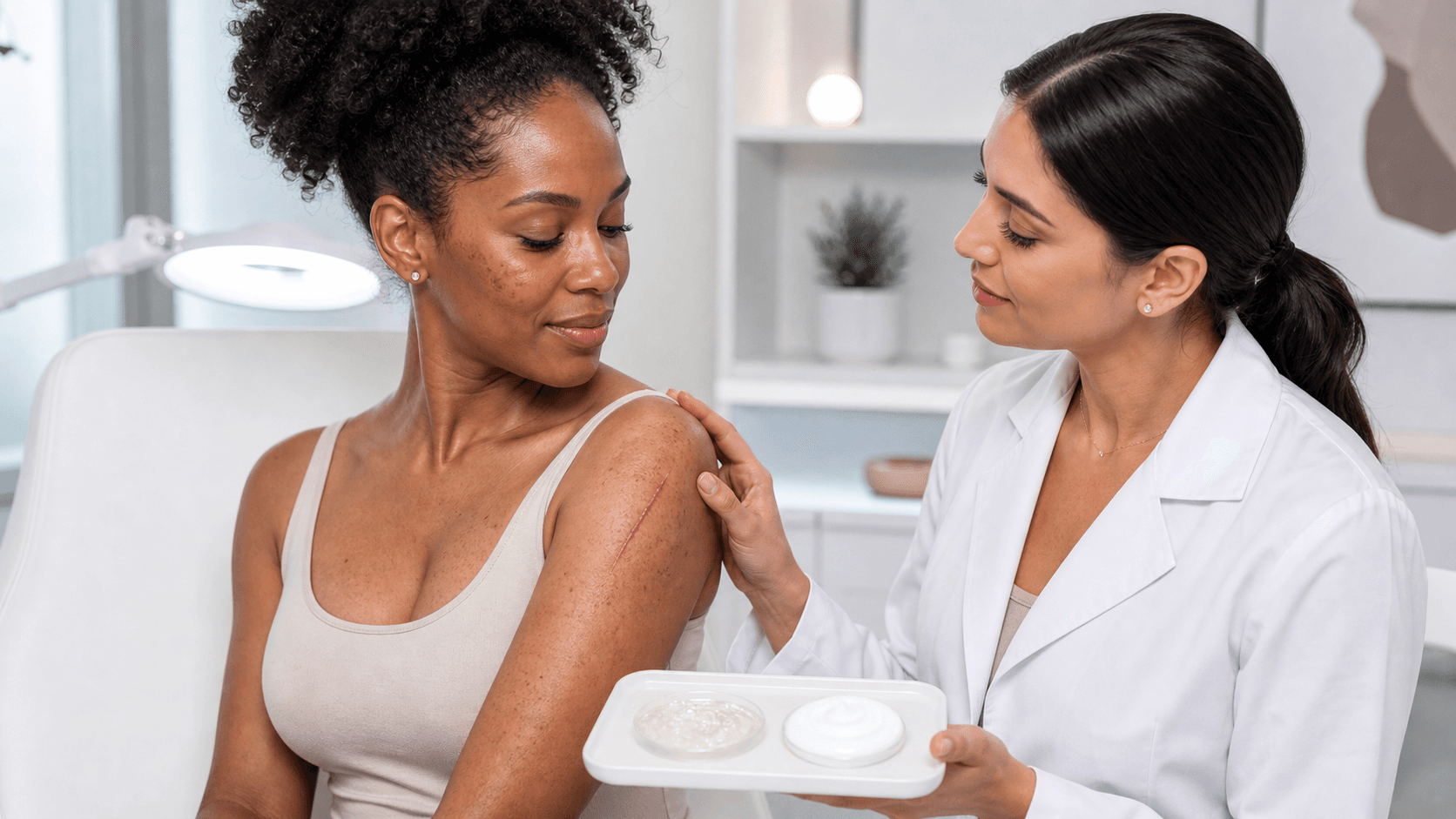
It can help to pair scar tape and cream together for added support. Use products that move with your body and stay secure, like our scar tape made for flat areas. For a lighter touch under cream or tape, our Scar Serum offers hydrating comfort without weight and works well as a first layer.
When to Consider Support Tools Like Massage
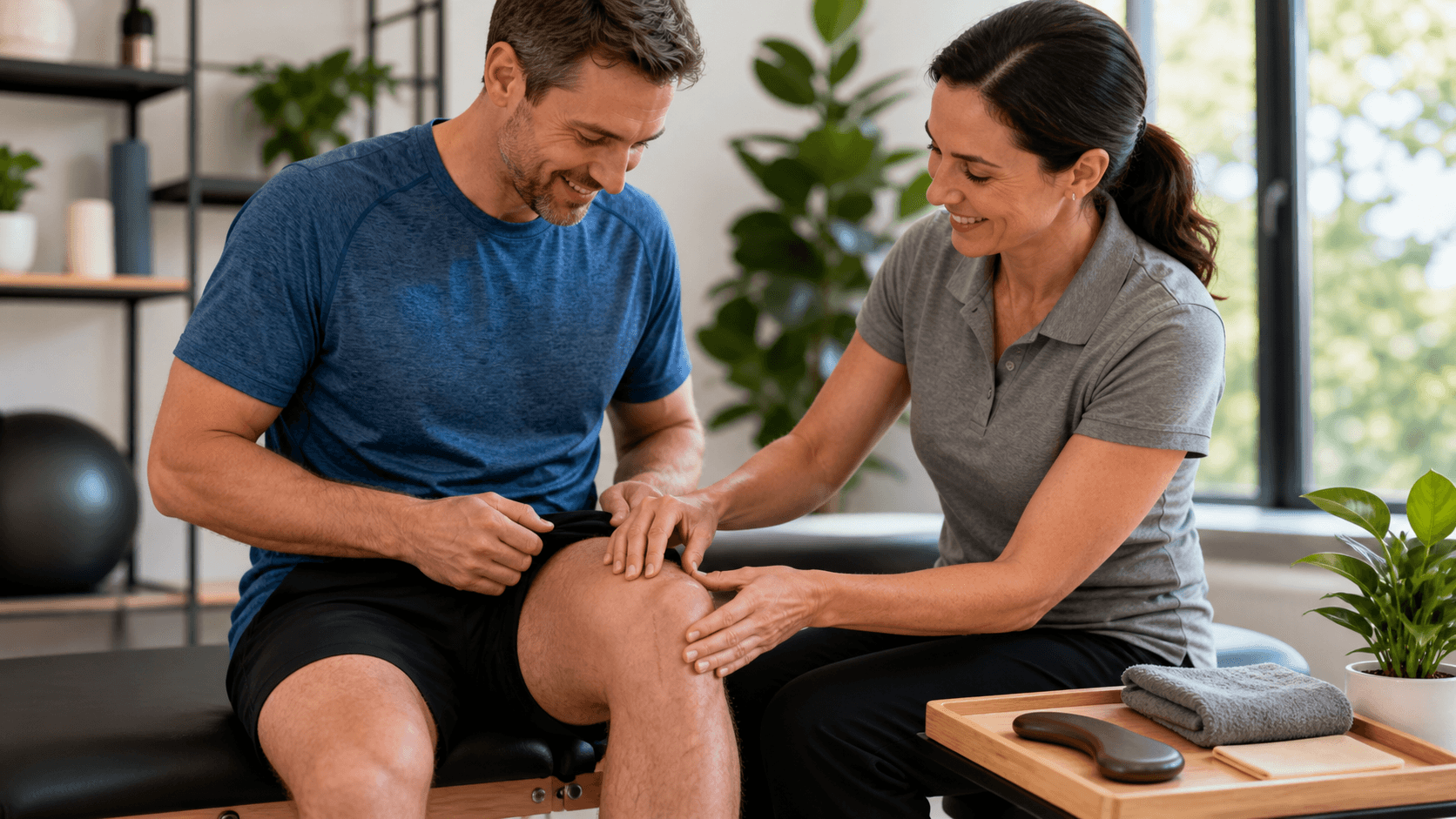
If your scar feels stuck, tight, or uncomfortable despite all your effort, your skin might need a little extra assistance. Massage tools can help boost circulation without putting strain on healing areas.
- Massage is helpful when creams are not soaking in easily
- If your scar feels thick or harder in one spot, massage may help ease that tension
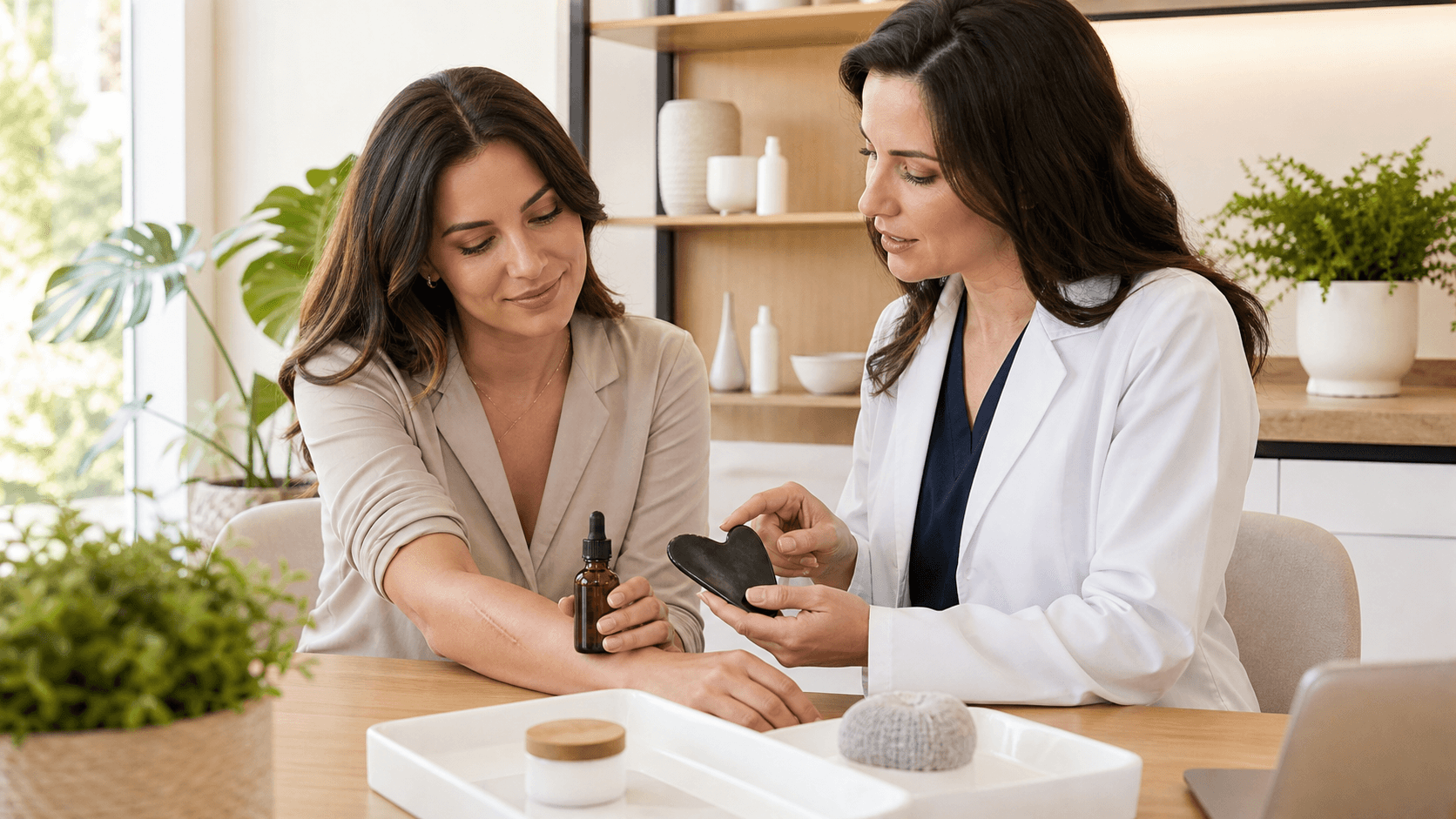
We like using our Obsidian Gua Sha Massage Stone during or right after applying moisturizer. Its shape helps keep pressure even and gentle, especially in sensitive zones. Massage does not just feel nice, it can also help spread product and encourage better absorption. Over time, this simple step adds more support to your healing plan.
Give Your Skin a Better Fit This Season
Your skin is always changing, which means your scar care needs might shift too. If something feels itchy, tight, or leaves your skin worse off than before, trust that it is worth a second look. Waiting until winter sets in might mean missing a good opportunity to fix what is not fitting right now.
Fall can be a less busy season for scars when there is less sun exposure and more time spent indoors. Taking a few steps now to match product to skin type, not just scar type, can help you feel more comfortable day to day. Healing should support your life, not slow it down. A routine that responds to both scar and skin makes all the difference over time.
Finding the right scar care routine can take some trial and error, especially when your skin is reacting to products that are not a good match. That is why at Motivo Scar Care, we focus on making our products flexible enough to work with your changing needs. When your skin feels dry, sensitive, or just off, it may be time to rethink your approach and start fresh with scar care solutions that actually feel supportive. Take a closer look at how our lineup of thoughtful, skin-friendly scar care products can help you find comfort and balance each day. Have questions or need help choosing what is best for you? Reach out to us anytime.