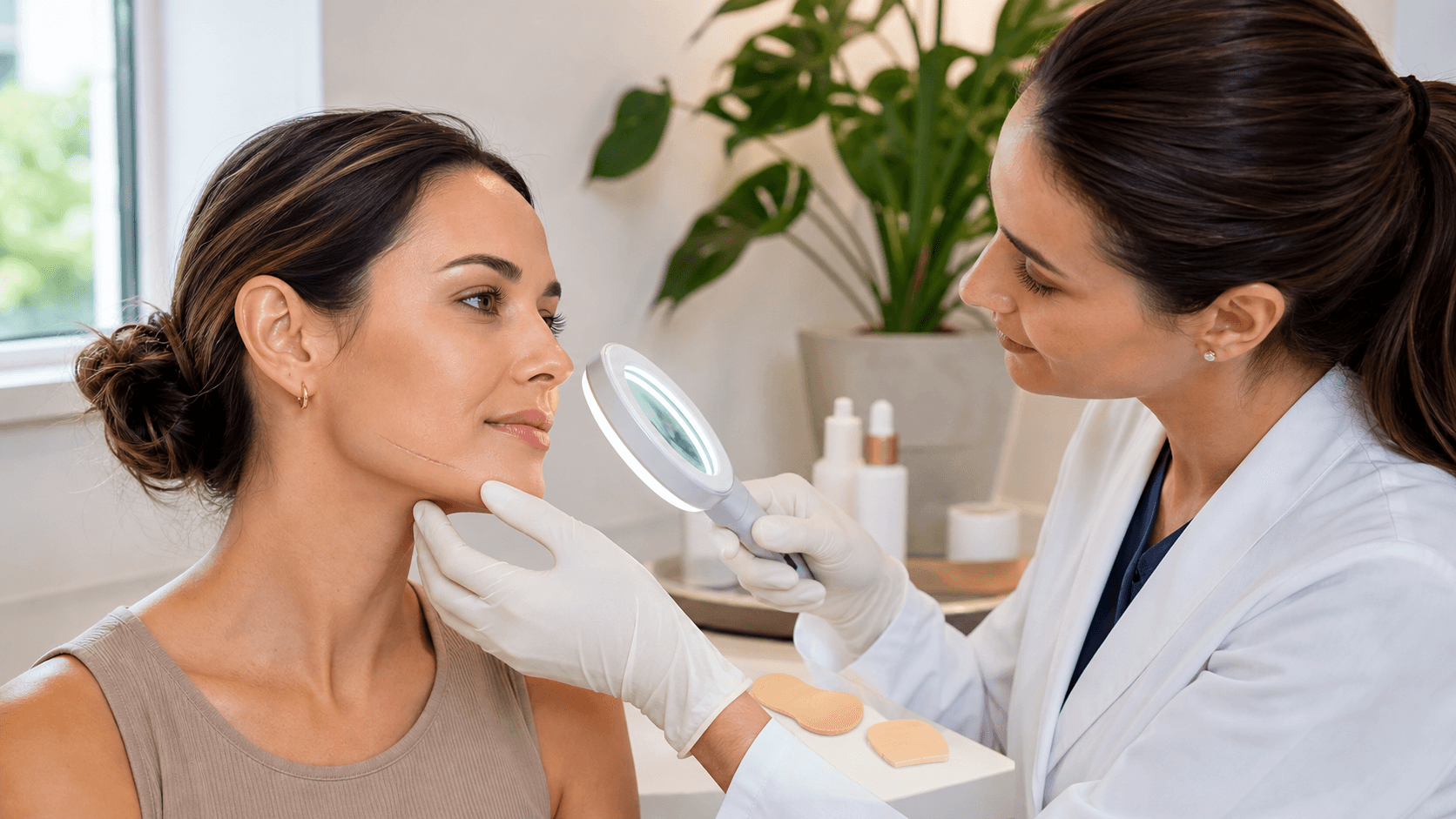
Raised scars on the face tend to feel more noticeable than others. They show up in places we cannot easily cover, and many people find face scar treatment takes longer than expected. That is partly because facial skin heals differently from other areas. Our faces are constantly in motion, and that movement plays a big role in how scars settle. On top of that, the skin here is thinner, more sensitive, and reacts quickly to shifts in weather, products, and treatment routines.
During fall, especially in months like October, there is a helpful drop in daily sun exposure. That means less UV impact and fewer sweat-triggered skin issues. It is a smoother season to focus on healthy routines. Gentle steps now can help facial scars feel and look calmer by the time warmer months return.
Why Raised Scars Respond Differently on the Face
Facial skin does not behave like the skin on the arms or back. It is packed with oil glands, has a softer tissue layer, and is always stretching and shifting with every smile, word, or bite of food. This constant motion makes it harder for scar tissue to settle quietly.
- Scar tissue gets disturbed more often on the face due to how much we talk, chew, and make expressions.
- Raised scars, especially keloids or hypertrophic scars, tend to store more collagen than needed, which can make them feel thick, itchy, or tight under the skin.
- When those thicker scars appear in motion-heavy areas like the jawline or around the mouth, they can take longer to soften.
Healing on facial surfaces needs a steady rhythm of support that adapts to movement and texture changes over time.
Common Causes of Raised Facial Scars
Not all raised facial scars start the same way, but they usually involve a delay or disruption during the healing process. Whether it is from an injury or a skin condition, that window of early healing matters.
- Cuts, scrapes, or burns from accidents can create raised scars when the skin produces too much collagen during repair.
- Surgeries, like mole removals or cosmetic adjustments, may lead to thicker scars when tension or early irritation disrupts healing.
- Acne scars are tricky. Breakouts may heal on the surface but slowly form deeper tissue buildup, which can later become bumpy or raised.
Raised scars sometimes begin forming weeks or months after the initial issue seems resolved. That is why long-term care matters, not just what you do in the first few days.
Everyday Habits That Might Be Holding Back Healing
Some simple habits we do not think about might make raised scars harder to manage. These can slow progress or even create new irritation.
- Picking or rubbing at a healing scar, even slightly, interrupts skin recovery and can create more texture over time.
- Letting the scar get too much sun exposure without protection can cause discoloration. UV rays encourage pigment changes, especially on scar tissue, which can make raised spots more noticeable.
- Inconsistent care is another issue. Skipping moisturizer or active topicals for a few days can reduce progress. Scar tissue often responds best to slow, routine attention.
Being aware of these habits can help build smarter ways to support healing every day.
How to Support Raised Scars with Gentle, Daily Steps
Daily care does not need to be complicated. Small steps, done consistently, can support how raised scars feel and change over time. We have found a simple three-part routine helps set a good foundation.
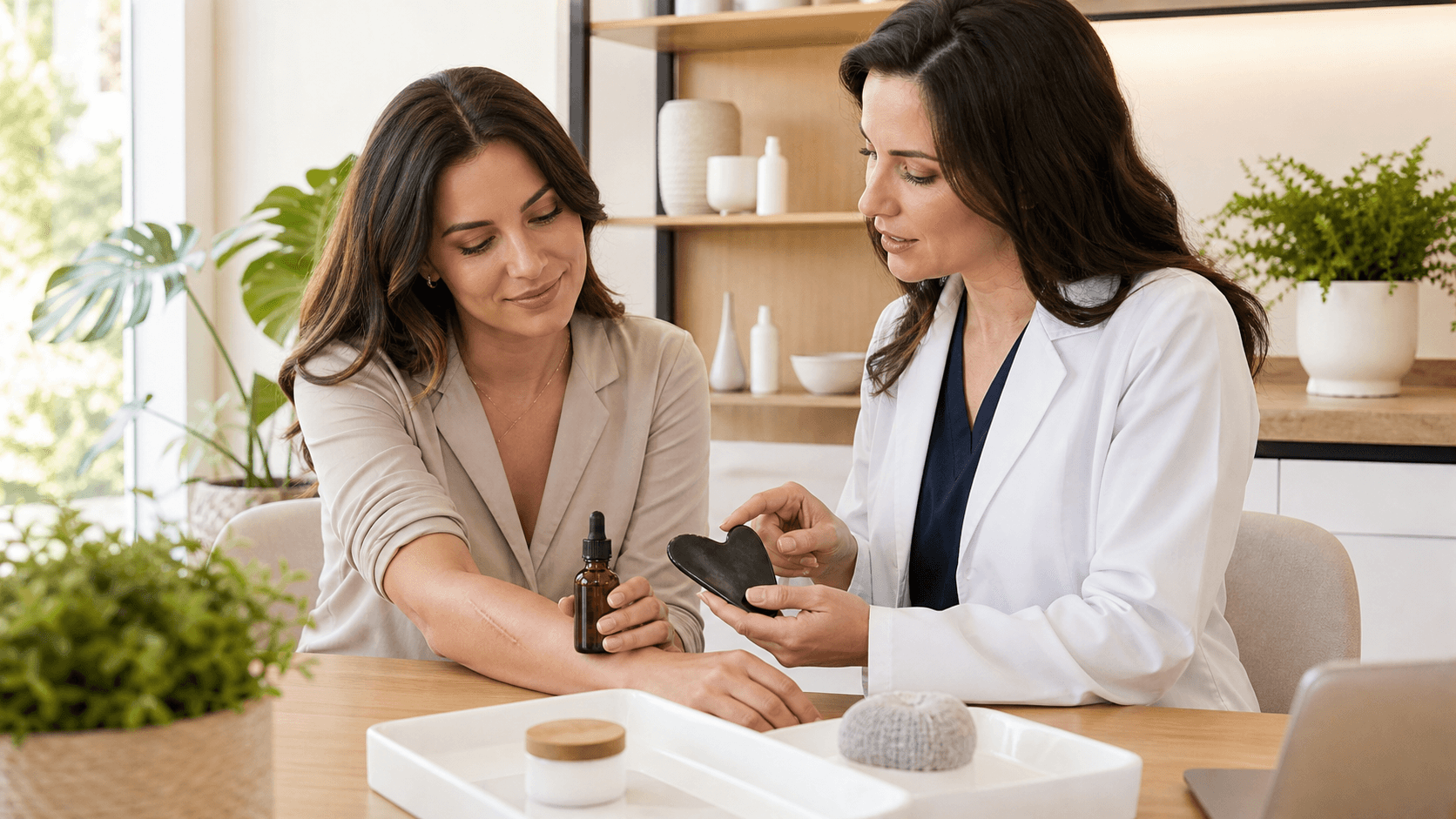
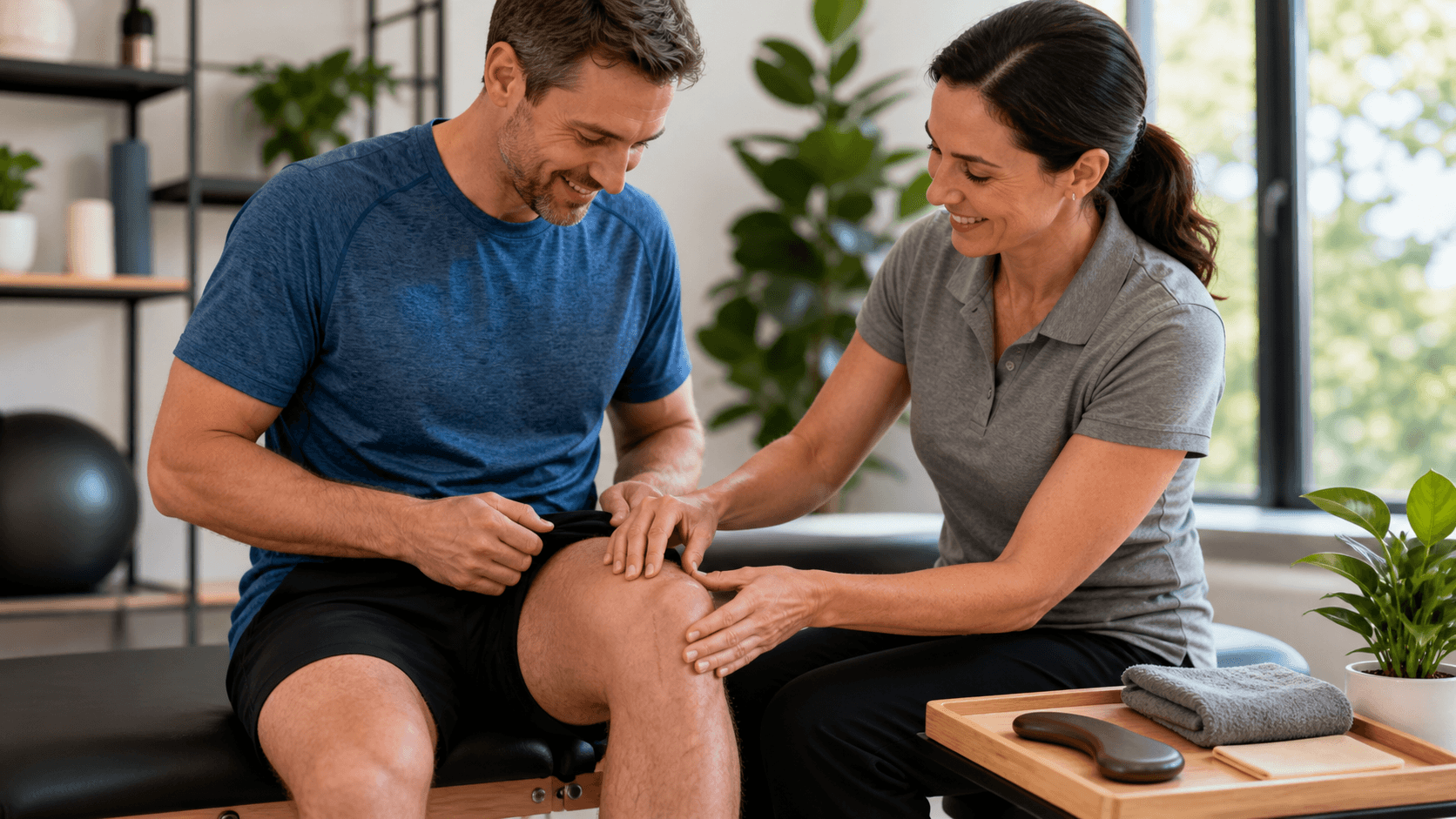
- Massaging with a cooling Gua Sha massage stone helps relieve tightness and boost circulation. This motion can soften tough tissue and make it easier for products to do their job.
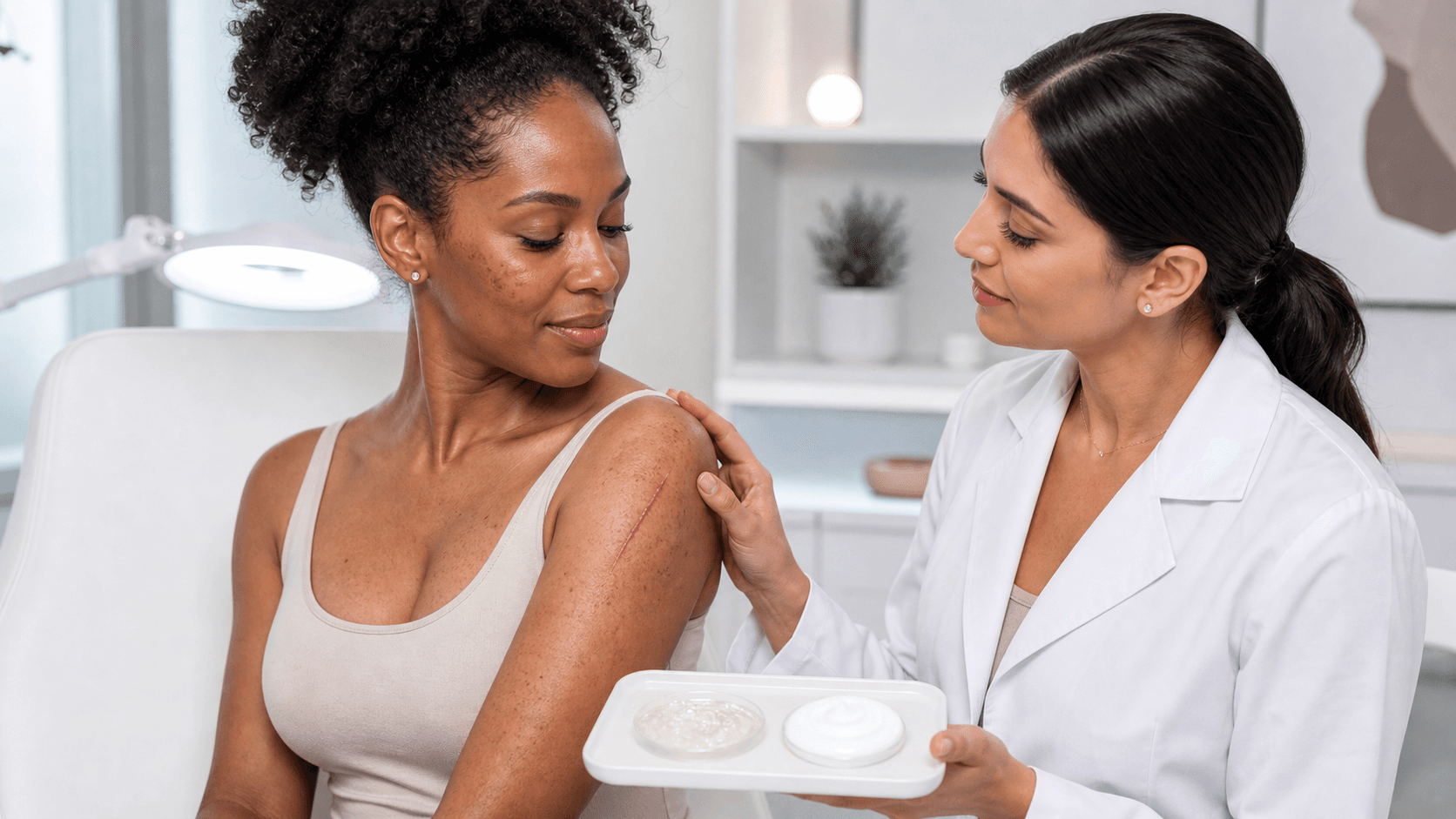
- Using a silicone-based serum during the day keeps moisture steady and breaks up stiffness in the skin. Our Scar Serum is lightweight enough for facial use and helps calm areas that feel bumpy, red, or itchy.
- At night, applying Scar Cream over your serum can hold in moisture while you sleep. The formula is soft, fast-absorbing, and gentle for sensitive skin. Over time, this helps soften texture and create a more even skin feel.
A quiet routine like this can make the scar feel less rough, without disrupting your day.
Making Smart Product Choices for Facial Scars
What works well for body scars might not always suit the face. Facial skin is thinner, reacts quicker, and many people want products that do not leave a heavy layer or strong scent. That makes lightweight, fast-absorbing formulas extra helpful.
- Scar Serum and Scar Cream are both light enough to wear under makeup and go on smoothly without clogging pores.
- Scar tape is usually better for stable, low-motion areas like the chest or legs. For the face, tools like a Gua Sha paired with topical care can relax the skin and better target raised textures.
- A morning and evening routine can keep the scar consistently supported. The result is a slow reshaping that feels doable, even with a full schedule.
Motivo Scar Care's Scar Serum and Cream are dermatologist tested, hypoallergenic, and suitable for thin or sensitive facial skin. The silicone-based formulas work with a light texture and leave no heavy residue.
Choosing the right kind of texture support is half the work. The rest is keeping with it each day, even when the change feels slow.
Taking Time Now for Skin That Feels Better Later
Raised facial scars might not respond overnight, but that is normal. Softening them takes time and patience. Fall brings a chance to reset care habits, with cooler weather and fewer distractions from sun, sweat, or travel. That makes it an ideal season to commit to a clearer, calmer plan.
The goal is not total erasure. It is about making the scar feel easier to live with, flatter, softer, and no longer the first thing you notice in the mirror. When we care for scars in a steady, realistic way, we often find our skin does more than we expected. We just have to give it the quiet consistency it needs.
At Motivo Scar Care, we understand how important it is to find a simple, skin-friendly way to support raised facial scars. Sticking to a consistent routine with lightweight products can promote smoother skin over time, especially when used with tools like our Obsidian Gua Sha massage stone. Whether you are managing scars from acne, injuries, or surgeries, selecting the right textures and products truly matters. Learn more about our gentle approach to effective face scar treatment. Have questions or want help building the right routine for your needs? Contact us today to let us know how we can be part of your healing process.