For those of us dealing with acne-prone skin, scars left behind can often feel just as frustrating as the breakouts themselves. One common question is whether using a scar roller might help or just make things worse. The good news is that yes, a scar roller can improve the skin's texture, but only if it is used gently and with the right care. Acne-prone skin is already sensitive, so it is important to be mindful when adding tools to your routine.
With warmer weather on the way, summer skincare can bring extra stress to healing skin. Here is how we approach scar roller use safely and calmly, while supporting skin healing during the heat and humidity.
Understanding Acne Scars and Skin Sensitivity
Knowing the difference between active acne and healing scars makes a big difference. If you still have frequent breakouts, targeting scars too soon can irritate the skin and delay results. Active acne needs to settle first so the area is not inflamed or at risk of being reopened.
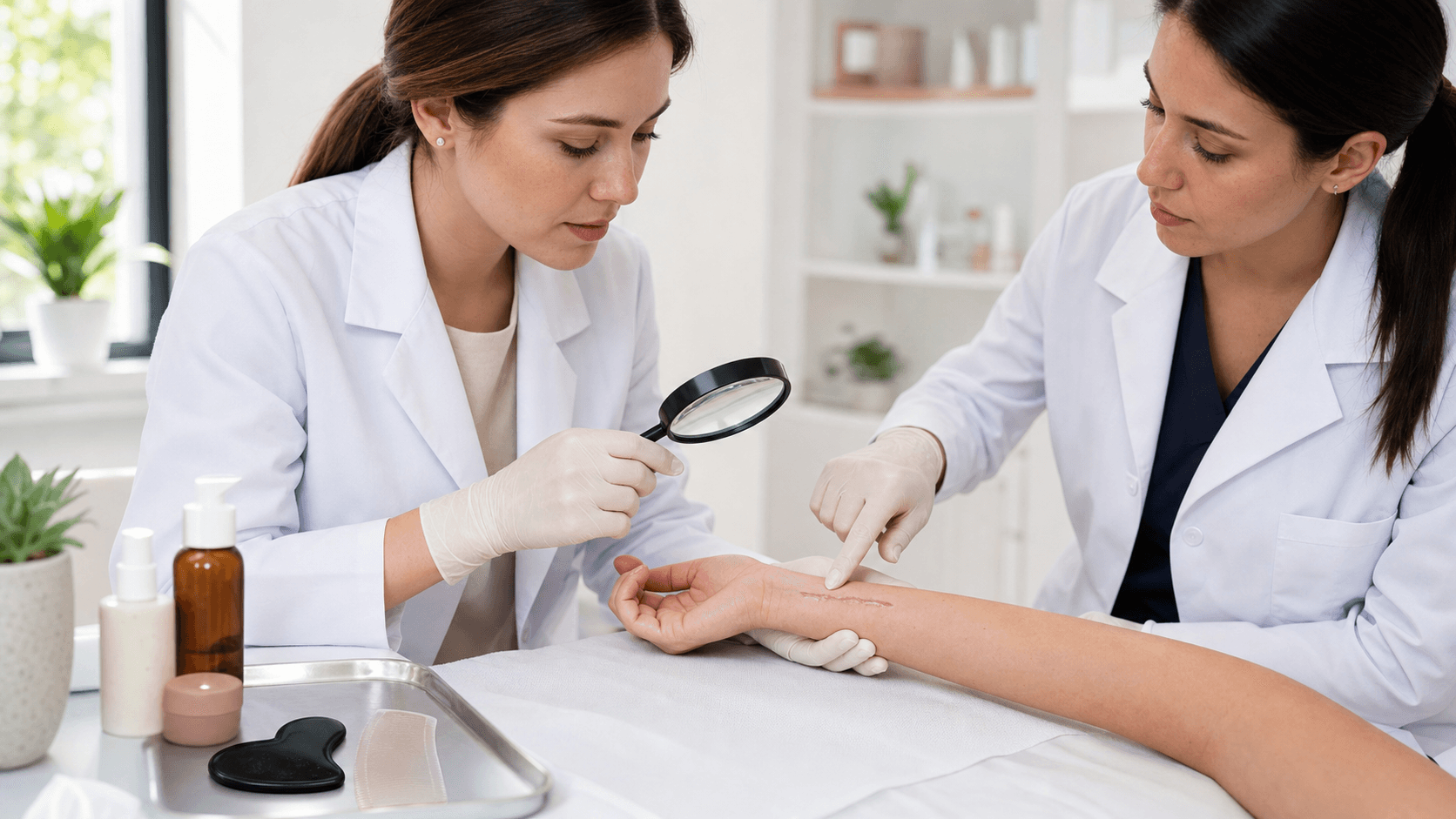
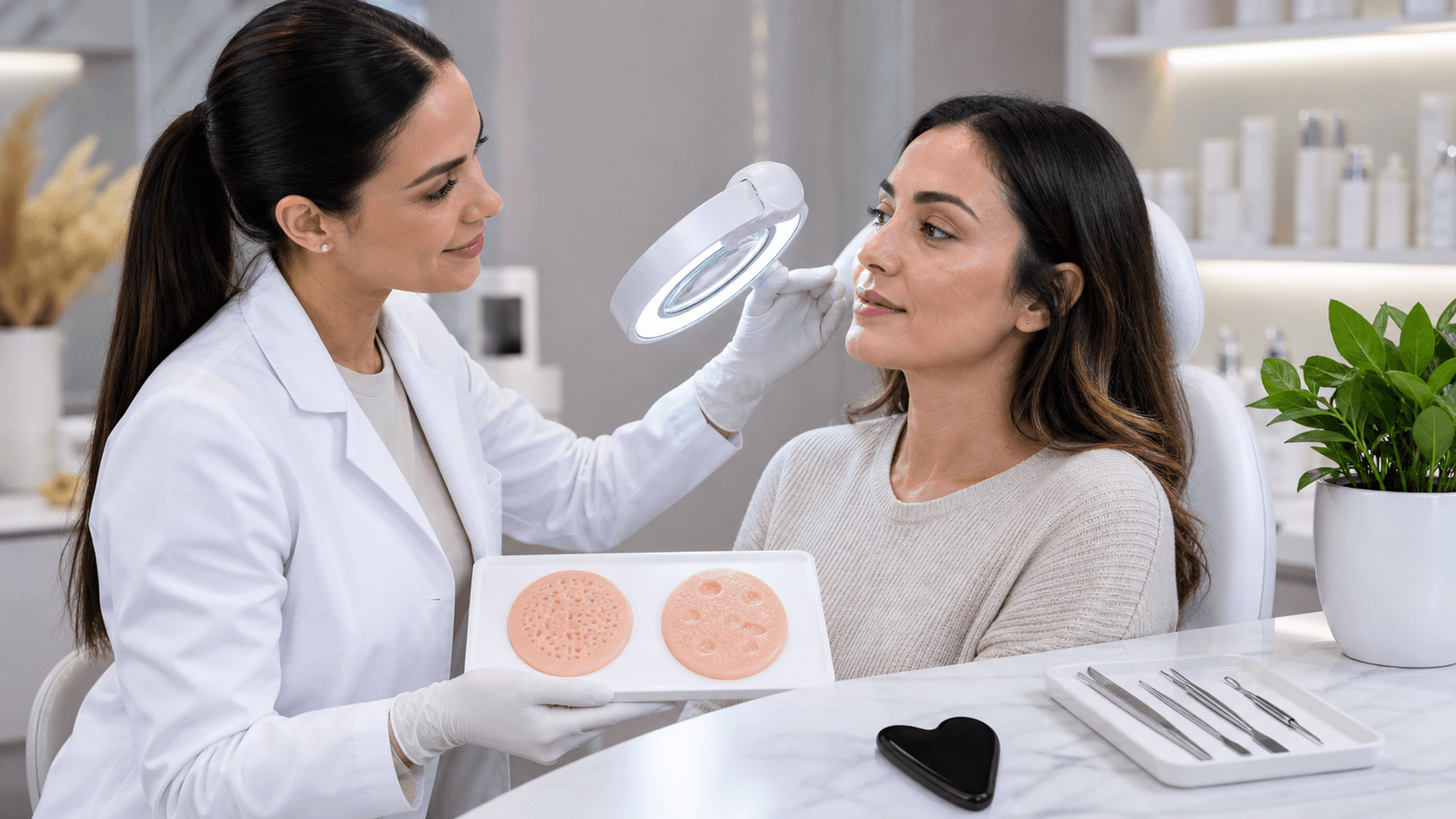
There are many types of acne scarring:
- Flat discoloration (like post-inflammatory hyperpigmentation)
- Raised scars (usually from inflamed acne or irritation)
- Depressed scars (that form indentations in the skin)
Some tools, like scar rollers, can be helpful with texture, but not all scars respond in the same way. Acne-prone skin reacts more easily to friction, so pressure from textured tools needs to be carefully timed and applied.
Prepping Acne-Prone Skin Before Using a Scar Roller
The prep stage matters just as much as the rolling itself. Before anything touches your skin, it should be calm, clean, and fully free of active breakouts.
- Start by cleansing with a mild, non-foaming face wash. Look for ingredients that soothe instead of stripping your skin.
- Avoid using the roller if there are any pimples, swelling, or areas that feel warm or painful.
- After cleansing, apply a lightweight, non-sticky serum. This helps the roller glide more smoothly and supports hydration while you work on healing.
We typically start with a scar serum that absorbs quickly and does not clog pores. This gives you a barrier between your skin and the roller, while still helping to soften the scar's texture.
How to Use a Scar Roller Without Triggering New Breakouts
Once the skin is ready and breakout-free, the next step is technique. Mistakes here can lead to redness or clogged pores if not done carefully.
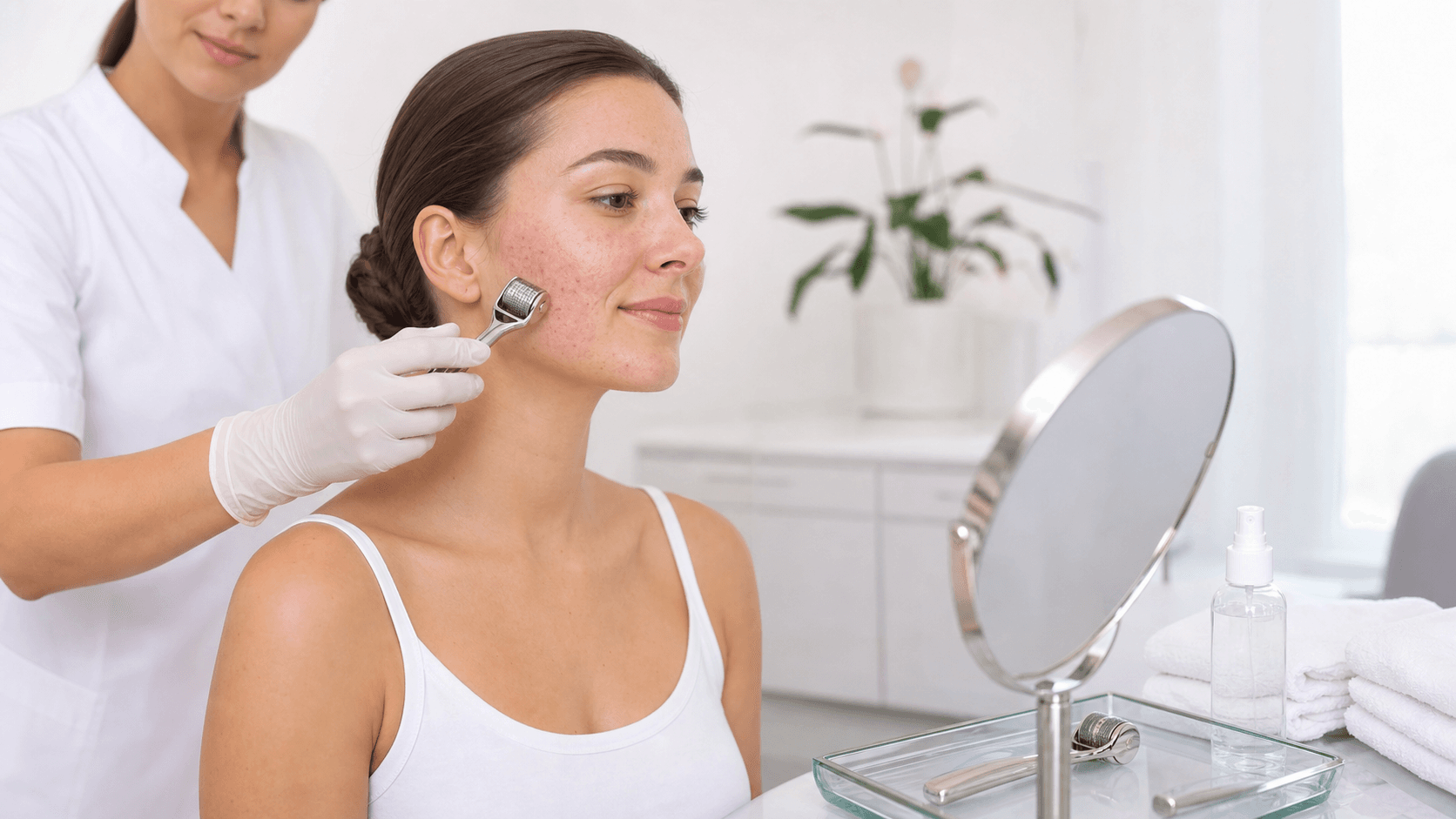
- Use light pressure only. Pressing too hard will not help the scar and can damage the skin's barrier.
- Roll in one direction then lift. Do not roll back and forth the way you might with a paint roller.
- Keep sessions brief. One to two passes across an area is enough. Limit sessions to once a week or less, depending on how your skin responds.
After using the roller, apply something calming. We often reach for a silicone-based scar cream to soothe the skin and help seal in moisture without overwhelming the pores. If the skin feels dry or raw, a water-based moisturizer can help calm things down.
And never skip hygiene. Always clean the roller before and after using with alcohol to avoid unwanted bacteria making its way into open pathways.
Mixing Scar Roller Use with Other Scar Care Products
Scar rollers can work well with a consistent topical routine. When skin is acne-prone, we like to keep formulas lightweight and breathable.
- For hydration and tone, our Scar Serum provides a non-greasy layer that targets the texture and color of existing acne scarring.
- Our Scar Cream is best used after rolling or at night, since its smooth finish helps lock in moisture and improve the appearance of both old and new scars.
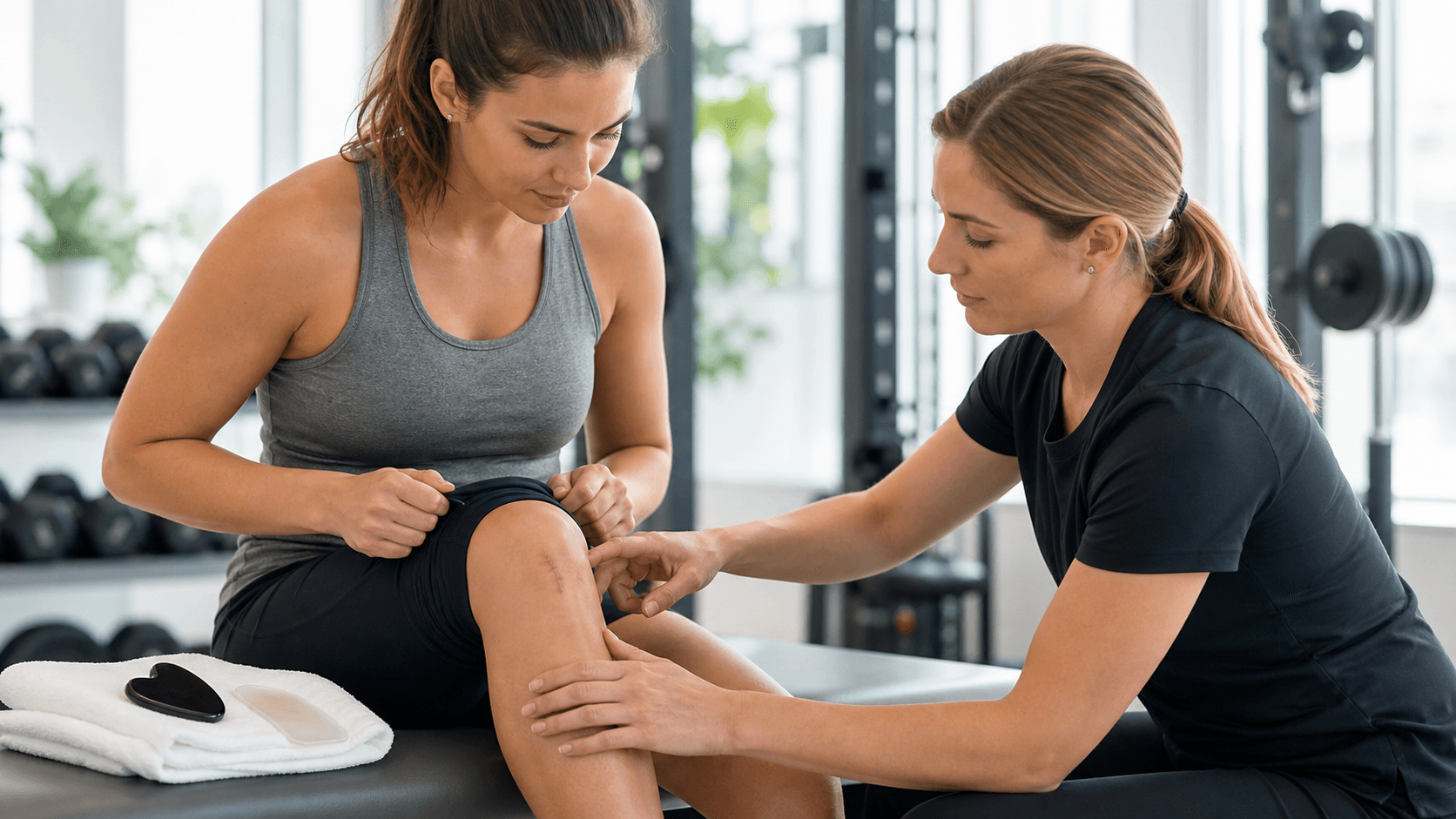
- For larger body scars or raised areas on the chest or arms, layering in Scar Tape helps reduce tension. This tape is especially helpful when the area might get pulled or stretched during movement. It is breathable, water-resistant, and blends into the skin, so it stays comfortable even in summer weather.
Motivo Scar Care's Scar Serum is specially designed to absorb quickly, offer daily comfort, and work well for sensitive and acne-prone skin. The Scar Tape kit can be trimmed and applied for a soft, flexible fit without harsh edges.
Adding in physical tools like a gua sha massage stone can be helpful when scars feel tight, especially on the jawline or temples. We recommend spacing out tools and topicals to avoid overloading the skin.
Supporting Skin Through Summer Routines
Summer does not pause healing. Sun exposure, sweat, and heat can make sensitive skin feel even more reactive.
Here is how we adjust routines during the warmer months:
- Always use SPF, even on cloudy days. Acne scars are more likely to darken with sun exposure, so a broad-spectrum sunscreen is worth adding daily.
- Choose lightweight clothes or breathable fabrics around scarred areas of the body to avoid rubbing and overheating.
- Keep things simple. Avoid layering too many actives, especially exfoliants or acids that might irritate skin that is still healing from acne.
Staying consistent with gentle hydration and protection helps support recovery, even when you are spending more time outside.
Keep Calm and Care for Your Skin
Gentle, patient care can pay off with acne-prone skin. Using a scar roller thoughtfully, in combination with products that soothe instead of stress the skin, can help those textured spots feel smoother over time.
Everyone's skin is different. Reading its signals, noticing when it is calm, inflamed, or in need of a break, makes the whole process easier. With the right rhythm and the right tools, acne scars do not have to be permanent markers. They are just one step in the healing process.
Achieving smoother skin texture after breakouts is within reach with the right tools and techniques. Rejuvenate your routine by pairing a scar roller with Motivo Scar Care's soothing products, specifically designed for sensitive skin. Embrace a regimen that prioritizes gentle care and reveals a clearer, more confident you. Let us be part of your journey to healthier skin, starting today.