Introduction
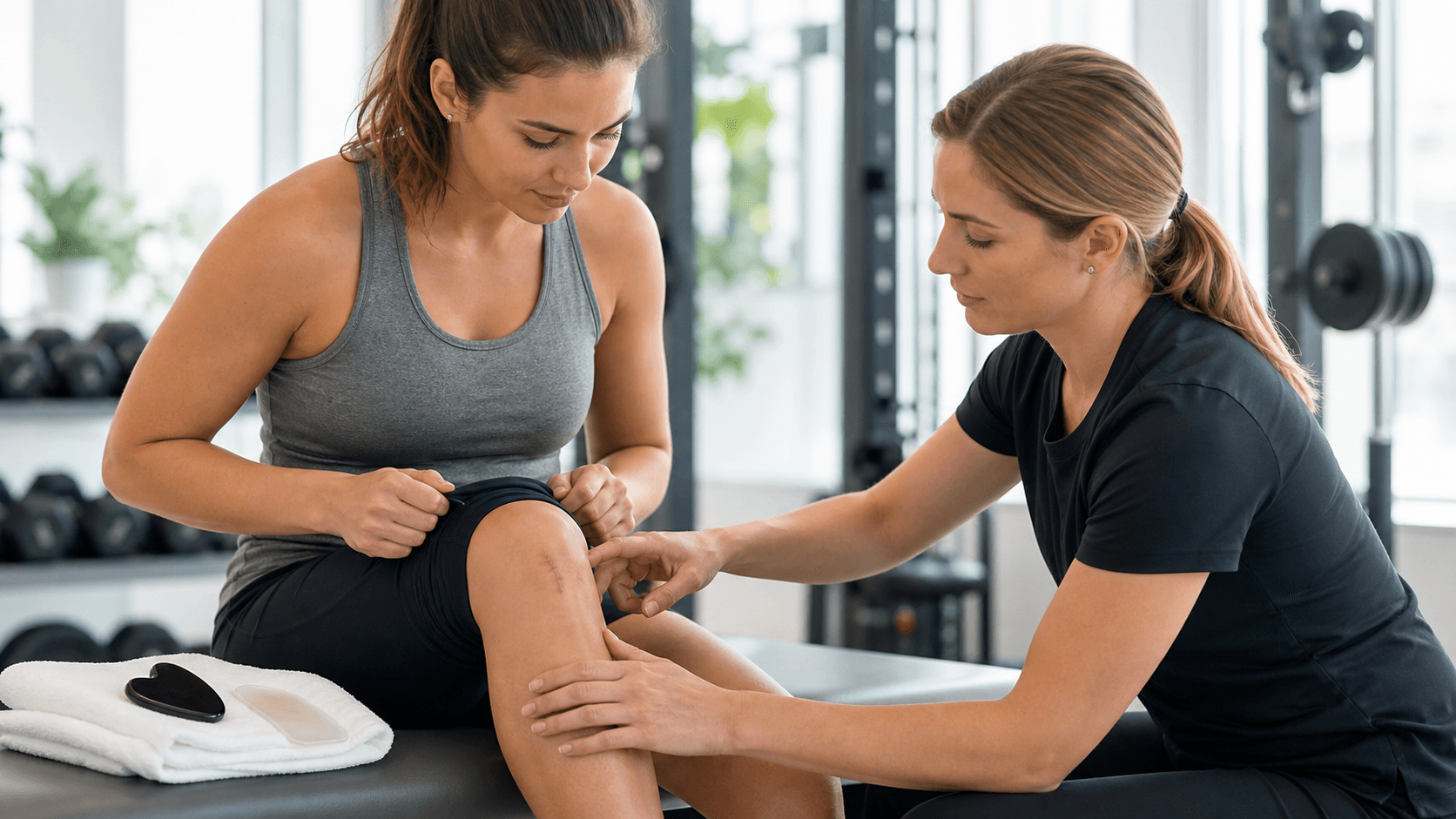
Staying active while healing a scar is not always easy, especially during the summer when sweat, movement, and warm-weather gear can work against your skin. Whether you are hitting the gym, lacing up for a pickup game, or commuting on your bike, what you wear matters just as much as what you put on your skin. Some sports gear makes it harder for your skin to breathe. Other items rub in areas you do not want or press too tightly, making scar tissue more likely to stretch or get irritated. Even with good scar care products in your routine, the fabric and fit of your gear might still be slowing down your recovery. The good news is that small adjustments can make a big difference in how you heal.
It is important to be mindful of the relationship between your activity level and your skin's recovery process. Staying active is vital for your overall well-being, but healing skin often reacts differently to pressures and repeated movements. For people who are committed to their workouts or team sports, understanding these nuances can shape your approach so you get the most from your physical activity without setbacks in your skin's healing journey.
How Sports Gear Can Aggravate Scarred Skin
It is easy to overlook how something like a jersey or a piece of padding could slow your healing, but the pressure and friction from daily gear add up.
- Tight clothing, especially when made from synthetic fabrics, can trap your sweat and press on your scar during movement.
- Even moisture-wicking items can build up heat, which can make your skin feel itchy or inflamed.
- Gear like shoulder pads, shin guards, or protective bands often land right over scar-prone areas, rubbing and irritating the skin more than you might expect.
- Seams, closures, and tight elastics can create small pressure points that pull at healing skin or keep it from drying properly.
All this movement against your scar can make it feel sore or even slow down your progress. Over time, repeated contact and friction can cause the skin around the scar to feel more sensitive or even delay the fading process. Sometimes, you may not notice these effects immediately, but consistent irritation can accumulate into more noticeable discomfort or redness.
Choosing the right gear can help, but first, it is helpful to understand exactly how these daily clothing choices can have lasting effects. If you find a pattern in when your scar feels worse, after a certain workout or after wearing specific gear, it may be worth rethinking your approach to what you wear during activity.
What to Look For in Scar-Safe Activewear
Your recovery routine does not have to end when you step into the gym or out onto the field. Choosing the right clothes and gear can help support your skin, not stress it.
- Look for loose-fitting, breathable clothing wherever your scar is located, especially around the chest, shoulders, shins, or thighs.
- Flat seams or no seams are ideal, since ridges can pull on your skin and add pressure.
- Choose soft linings and flexible fabrics, particularly if your scar is in a high-contact area like your forearm or back.
- Avoid elastic bands or gear straps that sit directly on healing skin.
- Make sure any braces or guards are padded softly enough not to irritate your scar.
Comfort is important here. When gear moves with you smoothly, it creates less tension on your skin and helps avoid stretched or inflamed areas. The more carefully you select your clothing and equipment, the easier it will be for your skin to recover while you continue with your activities.
Even small details, like adjustable closures, make a difference. If you can loosen a strap or opt for gear that spreads pressure across a larger area, you reduce localized stress on your skin. Fabrics that dry quickly and allow airflow are also helpful, as they keep moisture from lingering on your skin and breaking down delicate tissue as you move.
In addition, checking your clothes and gear for rough stitching or overly stiff areas can prevent little problems from turning into bigger ones. Taking the time to tailor your choices around your scar's needs will provide ongoing benefits.
Supporting Scar Recovery with the Right Products
No matter how comfortable your gear is, recovery still needs some backup. This is where scar care products come into your routine, before, during, and after activity.
- For low-stretch areas like the forearms and shins, Motivo Scar Care - Scar Tape (20-piece pack) helps hold everything in place and reduces pull during movement.
- If your scar is in a high-tension zone like your stomach or knee, the 4-piece Scar Tape set offers a wider fit with the same protective benefits.
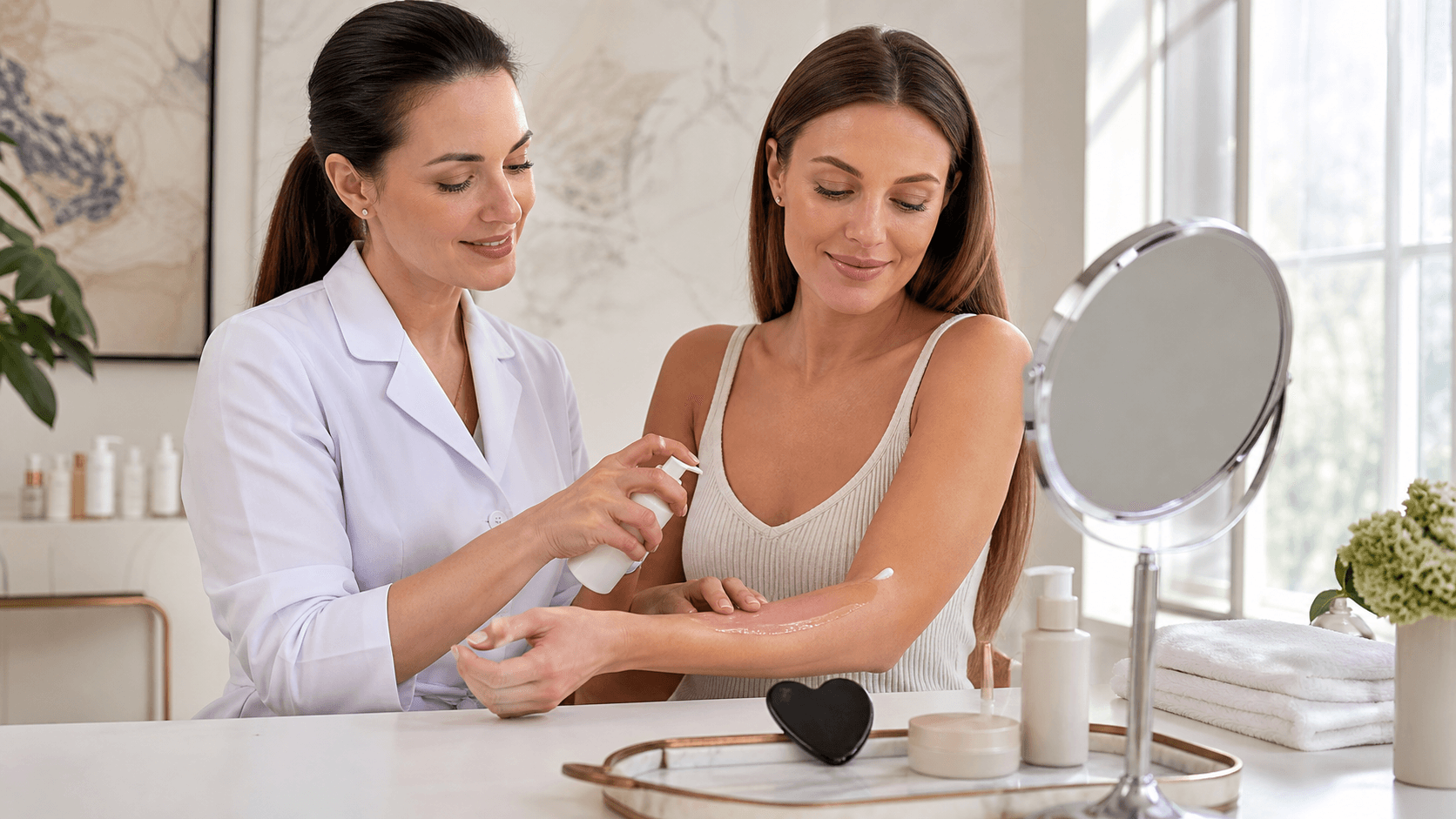
- Before heading out, use Motivo Scar Care - Scar Cream or Scar Serum to hydrate and prepare your skin so it is less reactive during exercise.
- After your workout or outdoor activity, gently clean the area and reapply cream or serum to soothe and support healing.
Motivo Scar Care's Scar Tape is hypoallergenic, trim-to-fit, and created for long-wear comfort, making it suitable for use beneath sports clothing and protective gear.
Adding these products into your routine helps keep your skin protected, even during active parts of your day. Proper preparation means your scarred skin faces a gentler environment and is less likely to experience stress or irritation while you stay active. It is a good idea to check the tape or cream mid-activity if possible, especially during longer sessions or if conditions are especially sweaty.
Hydration and cleanliness are important for post-activity care. After wearing tight gear or spending a lot of time outdoors, a gentle cleanse followed by a soothing cream application helps reduce any minor irritation that might have developed.
Staying Active Without Setbacks
Consistency in your workouts and your scar care routines matters. Flexibility in your approach helps as well. A few simple habits can help you keep moving without slowing your healing.
- Apply your scar tape before training or sports, and check afterward to make sure it is still holding properly.
- Bring a small skin recovery kit in your gym bag or backpack so you can clean sweat off, reapply products, and give your skin a break.
- Use tools like the Obsidian Gua Sha Massage Stone later in the day when your body has a chance to rest. It works well for reducing tightness and helping topicals absorb.
These routines do not take long, and they help prevent minor issues from turning into bigger problems that might set you back. Small moments of self-care, even just a minute or two before and after activity, give your skin the recovery time it needs. There is no need to overhaul your schedule, but these consistent steps offer real benefits for your comfort and scar appearance.
If you notice redness or irritation despite taking precautions, giving your skin an extra day or two to rest is sometimes the best way to maintain long-term healing. Build in recovery days as you would for muscle health. Listening to your skin provides important feedback for your activity choices.
A Smarter Way to Stay in Motion
Healing does not have to sideline your whole lifestyle. With a few changes to your gear and habits, you can stay active and give your body the extra support it needs. Pay close attention to how your clothes feel on your skin, how your scar reacts to movement, and how your products hold up during use. Matching the right gear with a thoughtful scar care routine gives your skin the best chance to recover comfortably.
Scar recovery should fit into your life, not slow it down. A smart combination of breathable clothes, gentle habits, and targeted scar care can help you keep moving forward.
Stay active and keep your skin healing smoothly with Motivo Scar Care's lineup of supportive products. Our scar care products are designed to fit seamlessly into your active lifestyle, offering protection and comfort as you move. From breathable gear to top-quality scar solutions, we provide everything you need to stay on the go without compromising your skin's recovery. Discover how our products can enhance your routine and help you maintain both your fitness and healing goals.