Introduction
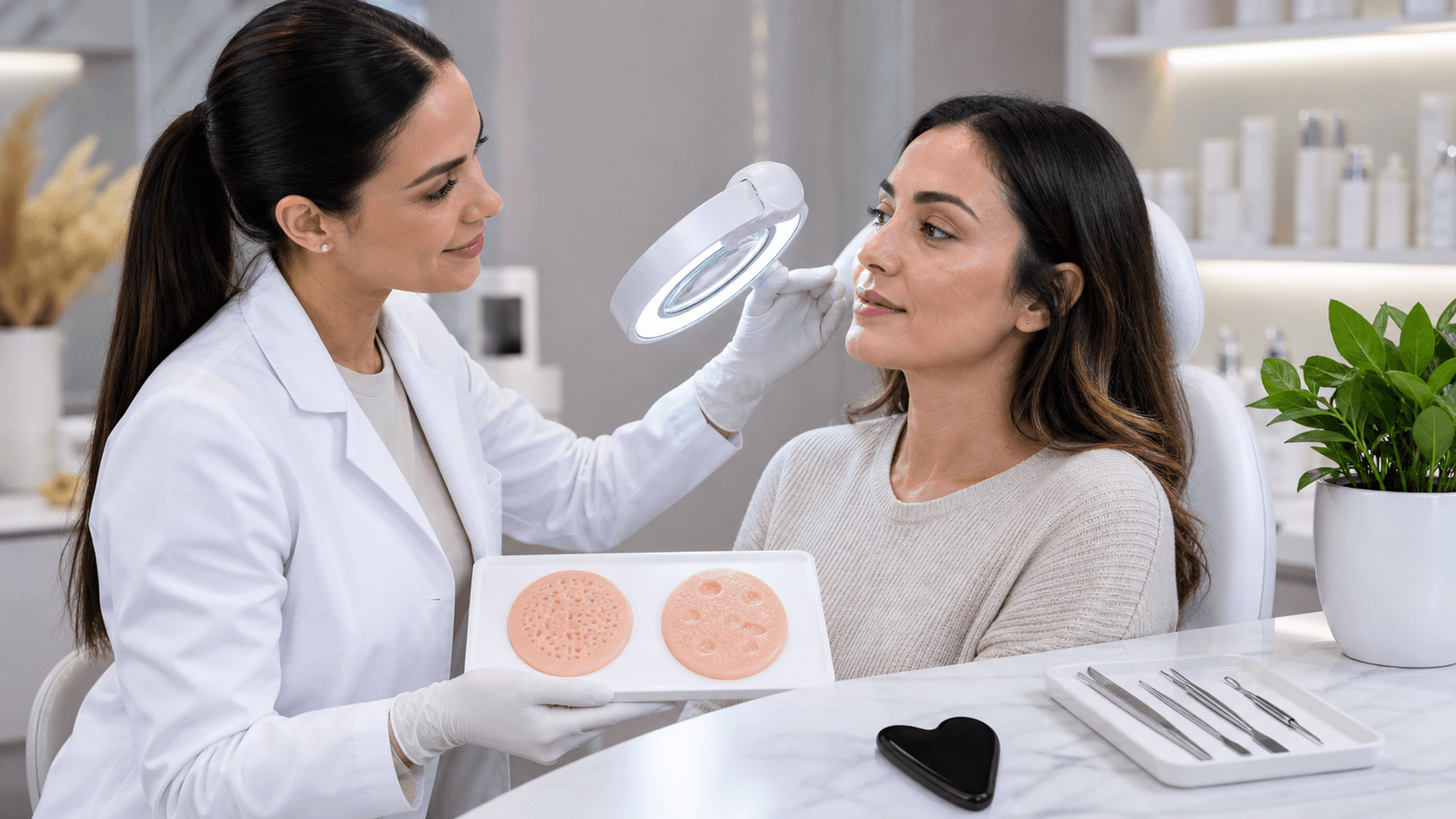
Not all acne scars are the same. Some are wide and shallow. Others are deep and narrow. Recognizing which type you are dealing with helps you figure out the right way to care for your skin. If you are searching for ice pick scar treatment or just trying to figure out what kind of marks your past breakouts left behind, understanding the differences matters.
The look, feel, and depth of a scar say a lot about how it formed and how it might react to care over time. Before starting anything new, it helps to understand what you are actually working with.
Understanding Ice Pick Scars
Ice pick scars can catch you off guard because of how small they look on the surface. They are narrow, but they tend to run deep into the skin. Think of them like little pits, often shaped like a sharp "V." These scars are usually leftover tracks from stubborn acne like cysts or inflamed pimples that damaged deeper layers of the skin.
You will most often find these types of scars around the cheeks or forehead. Their depth makes them a bit harder to smooth out using only surface-level care. They might not be wide, but they create noticeable texture changes. Because of how far down they go, they tend to stick around longer and often need more than just good lighting or makeup to feel less visible.
Ice pick scars often require targeted support. Regular skincare routines might help keep your skin balanced, but deeper marks may call for help from treatments that go beneath the surface.
What Are Atrophic Scars?
While many people refer to specific scars like ice pick scars by name, they actually fall under a larger category called atrophic scars. These are the types of scars that dip below the skin's surface instead of raising above it.
Atrophic scarring happens when the skin loses collagen during healing. Without enough collagen rebuilding in the area, the skin ends up healing with a slight indentation. There are three common types of atrophic scars:
- Ice pick scars, which are deep and narrow
- Boxcar scars, which have wider, sharper edges and look more like small craters
- Rolling scars, which are shallow but have a wavy or uneven look
This type of scarring can happen anywhere acne used to be, but it shows up most often across the cheeks, forehead, or temples. The key factor behind them is collagen loss, which makes the skin sink and leaves behind uneven tone and texture.
Ice Pick Scar Treatment Options to Know
When it comes to treating ice pick scars, working with a skin professional is where most people begin. These types of scars tend to need precise care, since they are harder to handle with surface products alone.
Here are some approaches people often explore with a licensed provider:
- Chemical peels designed to support the skin's top layer
- Microneedling to encourage collagen production over time
- Fillers for temporary smoothing
- Punch excision or other minor procedures that directly address deeper scar tissue
That said, any skin healing process moves better with steady care. Scar-focused products with calming or hydrating formulas may help the skin stay balanced throughout recovery. For more surface support, our gentle Scar Cream or Scar Serum can be part of a routine that fits easily around whatever the professional plan might be. Staying consistent with aftercare keeps your skin feeling more comfortable between visits.
Motivo Scar Care's Scar Cream is dermatologist-tested, hypoallergenic, and designed to smooth skin and support post-procedure aftercare when used at home.
Everyday Care Tips for Scar-Prone Skin
Summer can bring out some of the toughest conditions for healing skin. Heat, sweat, and sunscreen all mix together, and that combo alone can throw your skin off balance. The goal is to keep your barrier calm and clean without drying it out.
Here are some ways to help:
- Wash gently and avoid harsh scrubs that may irritate scarred areas
- Keep your skin moisturized to prevent flakiness or tightness
- Avoid rubbing the area with towels or clothing
- If your scars are healing in low-movement areas, Scar Tape may help protect and support the surface without getting in the way
- Try a Gua Sha massage tool to gently move around fluid and keep blood flow strong in healing areas
Motivo Scar Care's Scar Tape is available in four skin-tone shades, is water-resistant, and trim-to-fit, making it a simple daily option for added comfort and support over ice pick and other atrophic scars.
Care does not have to be complicated. The most helpful habits are the ones you will actually follow each day. A lightweight product in the morning and evening, along with some good sun protection, often does more than overloading your skin with new stuff all at once.
Clear Steps Start with Knowing What You See
It is easy to feel overwhelmed when you look in the mirror and try to figure out what type of scar you have. Some sit low and barely make a dent. Others go straight down, like a needle pressed into the skin. That is why pausing and really looking can help you figure out your next steps.
If you are dealing with ice pick scars, it can feel like they never smooth out, but they might respond better than you think when a supportive routine works alongside professional guidance. Gentle ingredients, protective tools, and simple care repeated over time may help make progress feel more visible.
Sticking with what works, one step at a time, gives your skin a chance to calm, rehydrate, and start building back the strength underneath. We always recommend starting slow, observing how your skin reacts, and keeping your routines steady.
Discover how Motivo Scar Care can enhance your skincare routine with expert guidance and thoughtful solutions. When aiming for smoother skin with comprehensive care, consider combining professional advice with targeted therapies at home. Our ice pick scar treatment is designed to seamlessly integrate into your existing regimen, promoting healing and reducing the appearance of stubborn scars. Let us help you find the best approach for visible progress and smoother skin.