Introduction
Summer often means more time outdoors, pool days with friends, and letting your skin soak up the sunshine. If you are healing from a scar, especially a newer one, the season can bring some unwanted challenges. The sun's rays, pool chemicals, and all that water activity can affect your skin's recovery timeline. That is where scar sun protection tape might make a difference.
When you are planning to swim, cover up, or just enjoy warm weather safely, protecting your scar matters. Sun can darken scars or make them more visible, and friction from movement in the water can irritate healing skin. The right kind of coverage, especially something built for active use, is worth thinking about if you are hoping for smoother recovery without interrupting your summer plans.
Why Sun Protection Matters for Healing Scars
A healing scar is sensitive. Once it is exposed to the sun, that healing skin may react differently than the rest of your body. UV rays can turn scars darker or leave the skin tone uneven, which can take longer to fade over time. Swimming adds more to that mix, with chlorine, sand, salt, and simply being in motion possibly causing scars to feel itchy or make the skin stretch awkwardly.
Staying consistent with coverage during healing helps protect that tender area from things like UV damage and friction. Whether you are in saltwater or a pool, giving your scar a dependable layer can help you keep your focus on summer fun instead of unexpected discomfort later.
When you think about how summer affects your skin, there is another layer to consider. Not only do you encounter more sun exposure each day, but you might also sweat more frequently. Extra moisture from sweating, along with sunscreen or body lotion, can sometimes make it harder for bandages or regular covers to stay in place. That is why specially designed scar sun protection tape stands out. Its construction supports the unique needs of healing skin, providing coverage that is practical for daily life, even during energetic or humid days.
What to Know About Using Scar Tape in Water
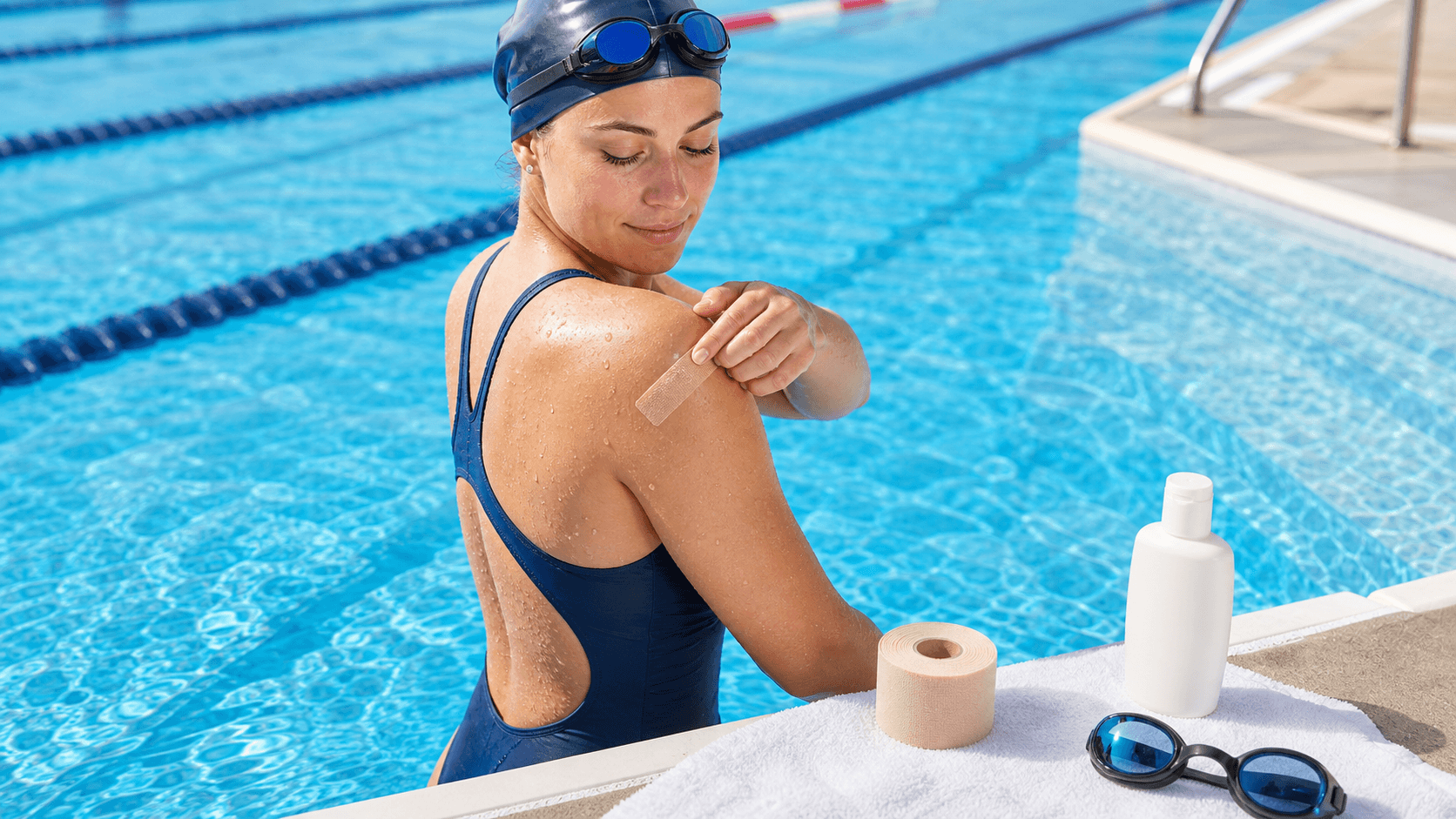
Scar sun protection tape is not the same as wrapping a bandage around your arm. It is built to let your skin breathe while giving just enough pressure to support the healing process. A good scar tape will be flexible, water-resistant, and designed to stick even when you sweat or move around.
That said, not all tape pieces are made for high-flex areas. Strong water or too much motion might make the edges peel early, especially if the tape was not applied to clean, dry skin. For the best grip, make sure your skin is not oily or damp when you put the tape on. Press it down firmly, smooth out any air bubbles, and avoid reapplying too often in the same spot.
Choosing the right tape is essential, since tape that is not intended for water exposure will start to peel away or lose its hold as soon as you head to the pool. Water-resistant tape is engineered to repel moisture and allow the area to ventilate, helping to prevent that soggy, uncomfortable feeling that sometimes comes with standard bandages. Paying attention to how the tape fits and feels after swimming can help you decide if the product is doing its job or if you might need a different size or style for your activity level.
When Swimming with a Scar, Tips That Help
If you know you are heading to the pool or beach, timing your tape application can help. Apply it at least an hour before swimming to give the adhesive time to settle. This makes a big difference once you are in the water.
Some spots on your body move more than others. Taping areas like your shoulders or lower back might not hold up as well during swimming, depending on the product. Try using tape on lower-motion zones like your shin, forearm, chest, or upper back. If you use any lotion ahead of time, keep it lightweight and make sure your skin is fully dry before applying the tape.
Preparation is key. Before heading out for swims or other water activities, take a moment to check the entire surface of your scar and the skin around it. Removing any previous cream or oil before application improves the tape's effectiveness. If you are planning multiple dips throughout a long summer day, it might also help to bring a backup piece of tape with you so you can replace it if needed.
Some people find that practicing with the tape at home before pool season begins gives them more confidence about coverage and placement. Learning how to make the tape lay smoothly, without bunching or curling at the edges, is particularly useful if you plan to swim often.
How Motivo Scar Tape Fits into Summer Activities
For many people, the summer season brings longer days outside, and this can affect scar care choices. The 20PCS Scar Tape is made to support healing without interfering with your movement or routine. It is well suited for areas like the shins, forearms, chest, or upper back, places that experience less intense bending or stretching.
Here is what sets this tape apart for warm-weather months:
- Water-resistant and breathable so it can hold up during swimming and exercise
- Gentle for sensitive skin thanks to hypoallergenic adhesive
- Stays in place for days, giving you freedom to move around worry-free
- Comes in four skin tones for discreet wear under swimsuits or clothing
This tape is not ideal for high-flex areas like the stomach or elbows. When used on the right spots, it slips easily into your summer routine without drawing attention or peeling away at the first splash.
Because the tape comes in multiple skin tone shades, it is also less noticeable when you are in a swimsuit or lighter summer clothes. The discreet appearance helps with confidence, as well as practical protection. Selecting the right tape size for your specific scar location can also influence how well the product holds up during all kinds of movement throughout the day.
What to Do After Getting Out of the Water
Once you are done swimming, take a few seconds to check the tape. Most of the time, it will still be in place if applied properly. If you feel any lifting, do not rub or tug. Instead, pat around the area gently with a clean towel. If the tape needs replacing, wait until your skin is fully dry again before using a new strip.
It is helpful to give the underlying skin a break now and then too. Fresh air can help balance out moisture buildup under the tape, especially after long periods in the water.
If you spend consecutive days swimming, give your skin brief rest periods whenever possible. Taking the tape off for a short period at night, particularly before bed, lets the skin breathe and helps maintain overall comfort during healing. Sometimes, scarred skin may feel a little tighter right after swimming, which is normal if the area underneath the tape stayed dry. Moisturizing after tape removal in the evening, once skin is clean and dry, can further support recovery over the summer months.
Keep Your Scar Covered, Even in the Pool
Swimming and scar care do not have to compete for your attention. With the right approach, you can protect healing skin while still enjoying everything summer brings. A water-resistant scar tape, used consistently and correctly, helps provide the coverage your skin needs during recovery.
It is easy to forget about these small steps when the sun is out and the water looks inviting. Choosing smart coverage now can make a big difference later. With a little planning ahead, your summer does not have to slow your healing down.
The more you understand your own skin's healing pace, the more you can adapt your approach as the summer goes on. Regularly checking your scar, reapplying tape as needed, and making sure to keep the area both protected and comfortable during outdoor fun are simple habits that encourage your body's natural recovery process. By weaving gentle scar care into your summer lifestyle, you help ensure that you remain active while still supporting your skin's long-term health.
Stay confident in your skin with Motivo Scar Care this summer. Our scar sun protection tape is the ideal solution for those looking to keep their healing scars safe during all your seasonal activities. Designed to be water-resistant and breathable, it ensures your scar gets the protection it deserves, whether you're swimming, playing sports, or just enjoying a sunny day. Discover the freedom of carefree movement with our reliable scar care products and continue your summer adventures without worry.